All Categories
Featured

Navigating ESG Reporting for Southern California
Substantial water recycling, with 70-80% percent of stormwater overflow from around the site infiltrated natural wetlands and mechanical systems, and then used to irrigate the surrounding parkland. 4,609,504 gallons of rainwater captured annually. Yearly carbon emissions reduction due to planting area of about 240,000 pounds of CO2 sequestered by trees on website 16.65 acres of overall planting area (5.4 acres at SoFi Stadium, 2.75 acres at Lake Park, and 7 acres of streetscape planting, to name a few 6-plus miles of brand-new tracks and paths (4.17 miles of enhanced linear streetscape including pathways, 1.89 miles of new multi-use tracks, and about 2,300 direct feet of brand-new Class II on-street bikeways) More information in the full press release listed below: a near 300-acre sports and home entertainment destination being developed by worked with a landscape architecture and urban design studio, to develop civic and environmentally conscious landscape services across 3 essential locations: water capture and reuse, the usage of 100 percent Southern California-native plant species, and the ongoing development of public parks for year-round use.
Landscape Maintenance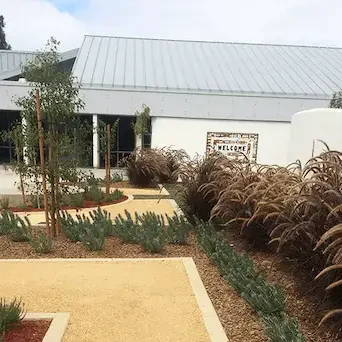
Influenced by the initial water feature that was part of the previous Hollywood Park racetrack, Lake Park consists of an upper and lower lake separated by cascading waterfalls. At approximately 6 acres and 16 million gallons of water, the lake is surrounded by an extra 6 acres of parkland. The lake operates as a water recycling system by gathering 70-80 percent of stormwater overflow from around the website, filtering it through natural wetlands and mechanical systems, and after that utilizing it to water the surrounding parkland.

Latest Posts
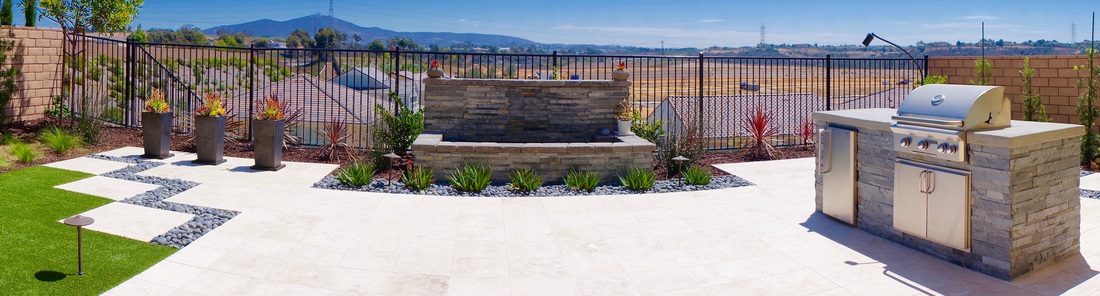
Maximizing Water Efficiency in California Climates

Local Maintenance Hub Standards in Southern California
Navigating 2026 ESG Benchmarks in SoCal